39 cards over 9 months.
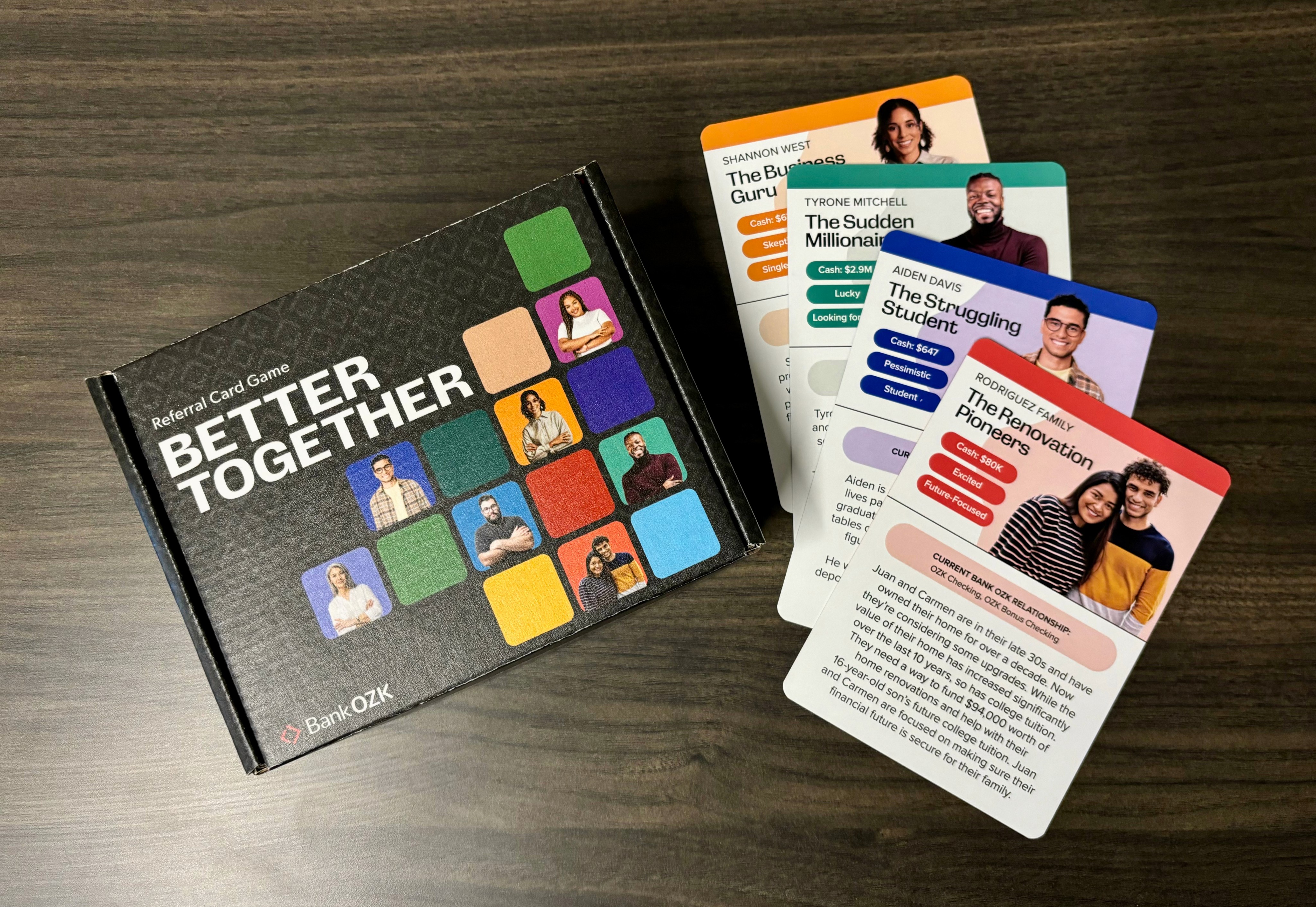
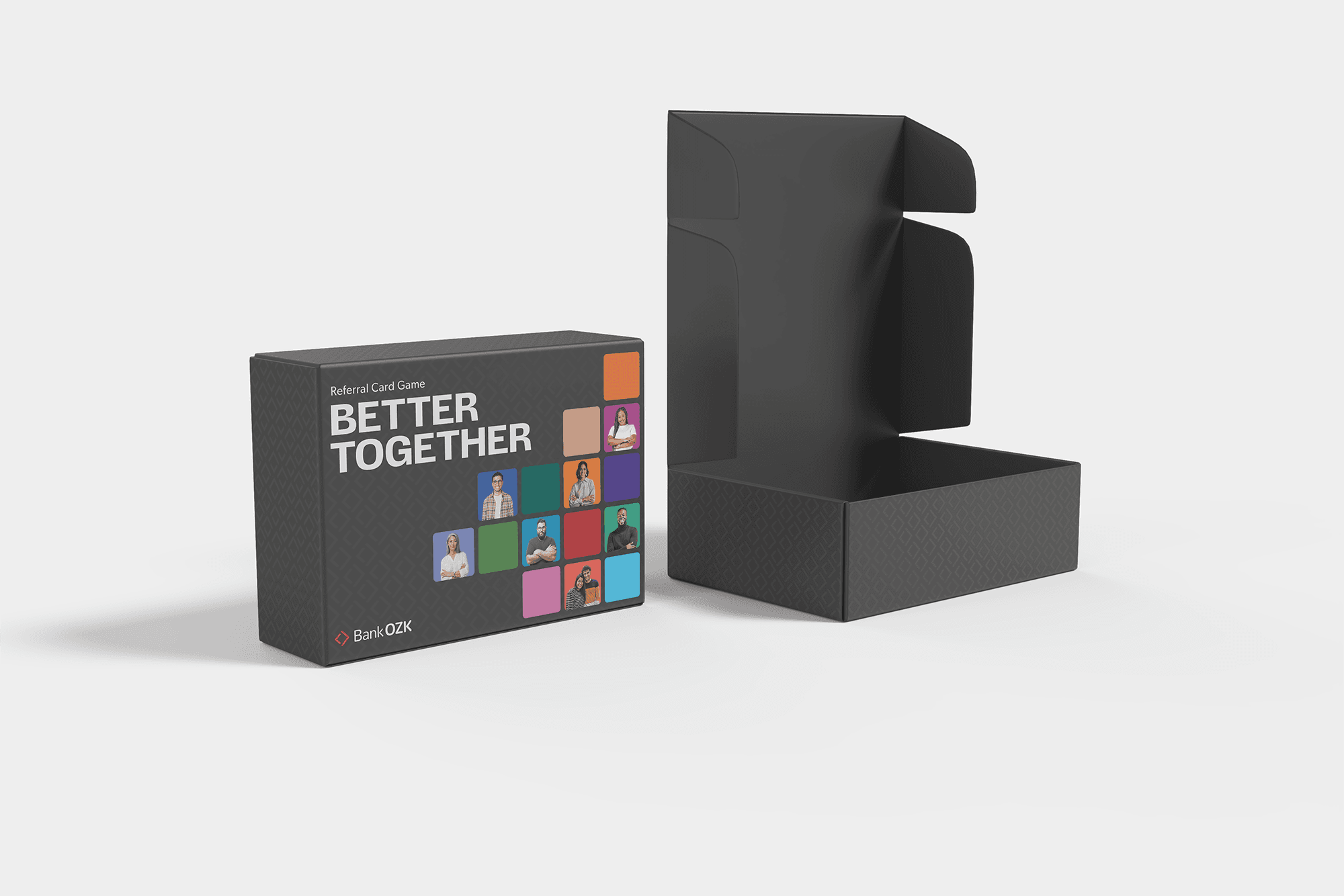
A scenario-based referral training game designed for Bank OZK to help banking teams practice real customer conversations through collaborative learning and storytelling.
Learning Experience
Game
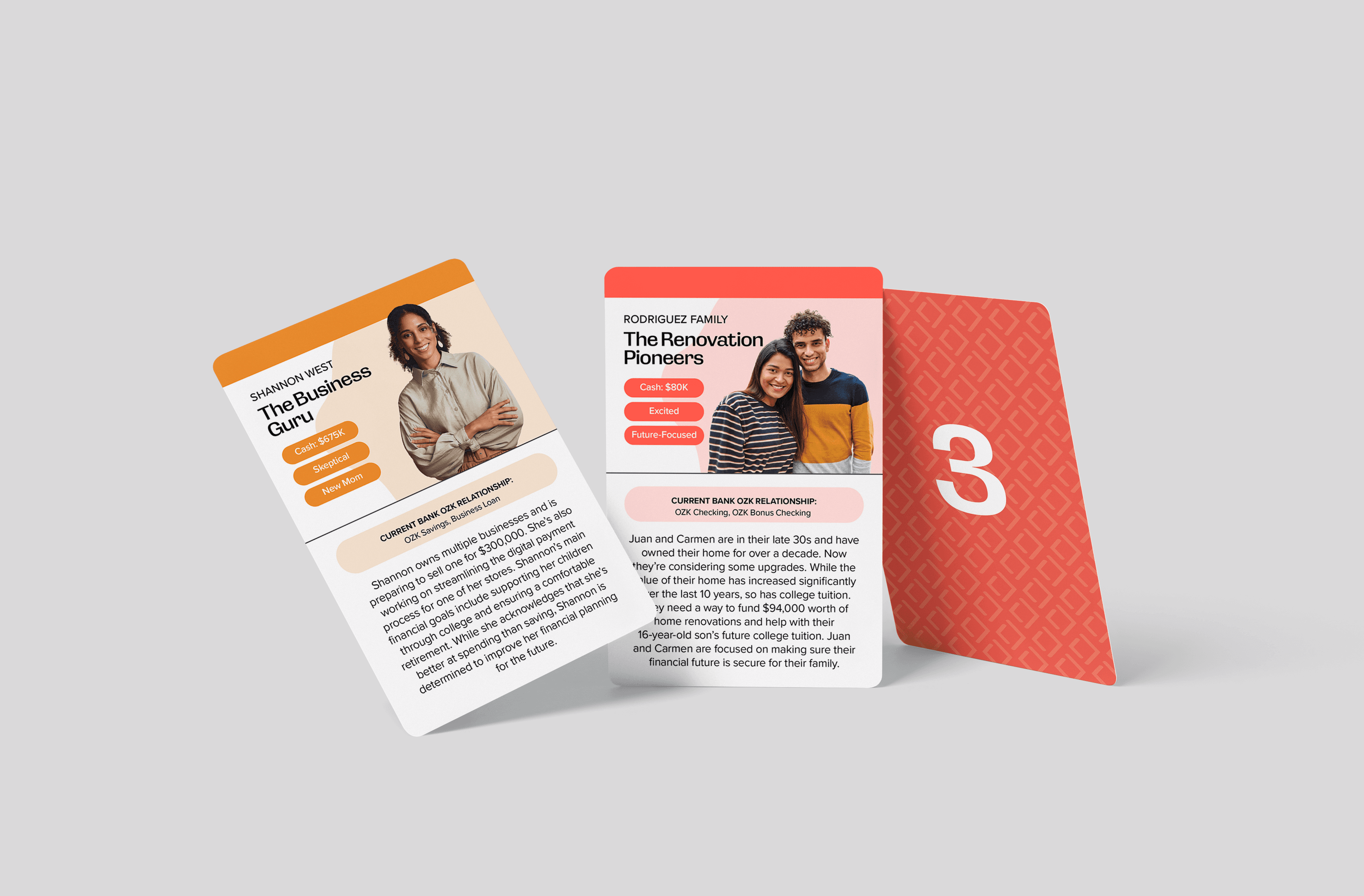
A training game designed to feel more like conversation than training.
Most training tells you what to do. This asked you to practice actually doing it. Each scenario was built around a real customer situation, designed to spark conversation rather than just deliver information.
39
Scenarios created
7
States reached
9
Months of weekly releases
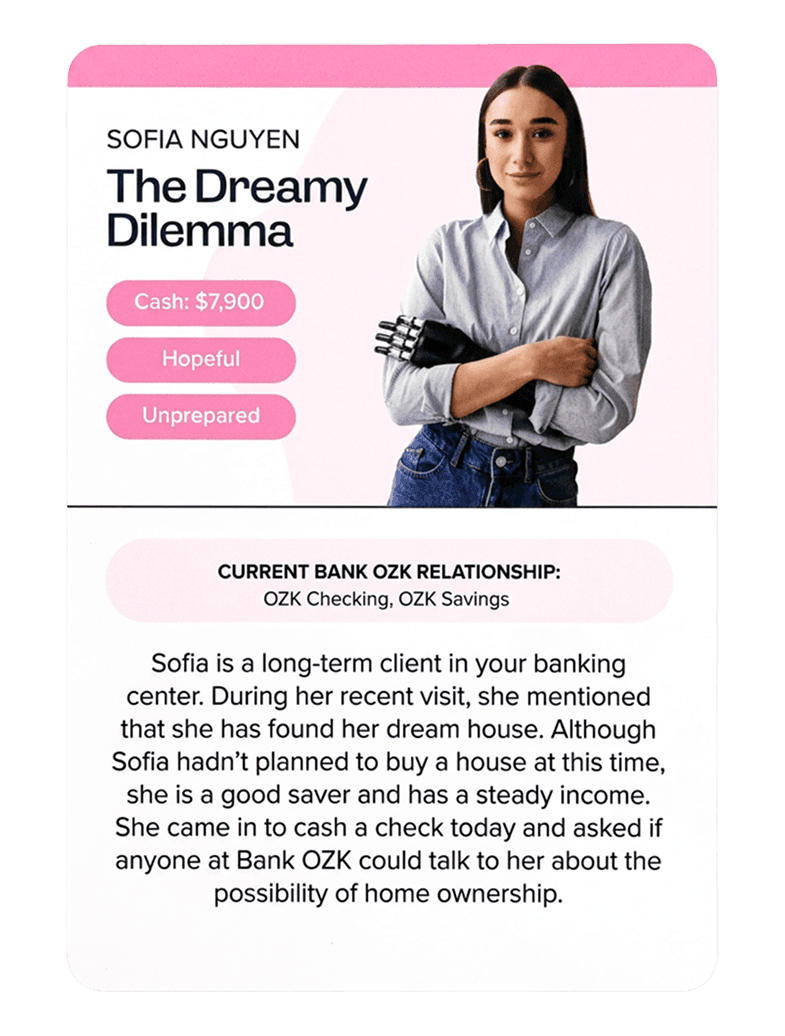
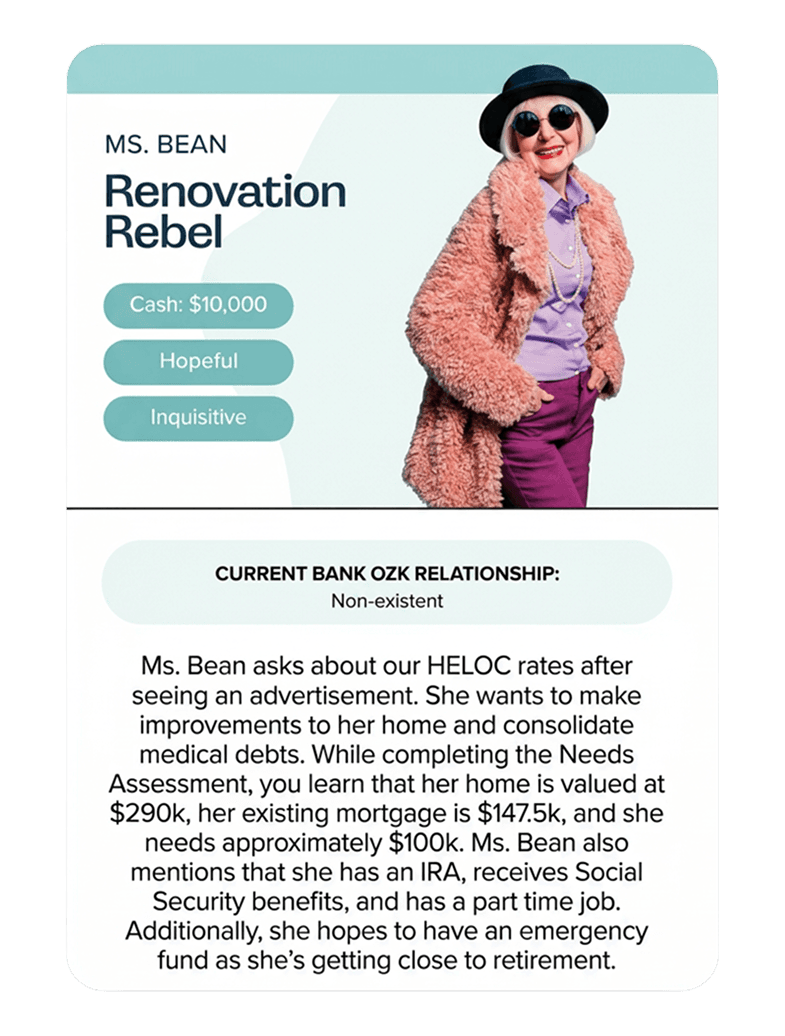
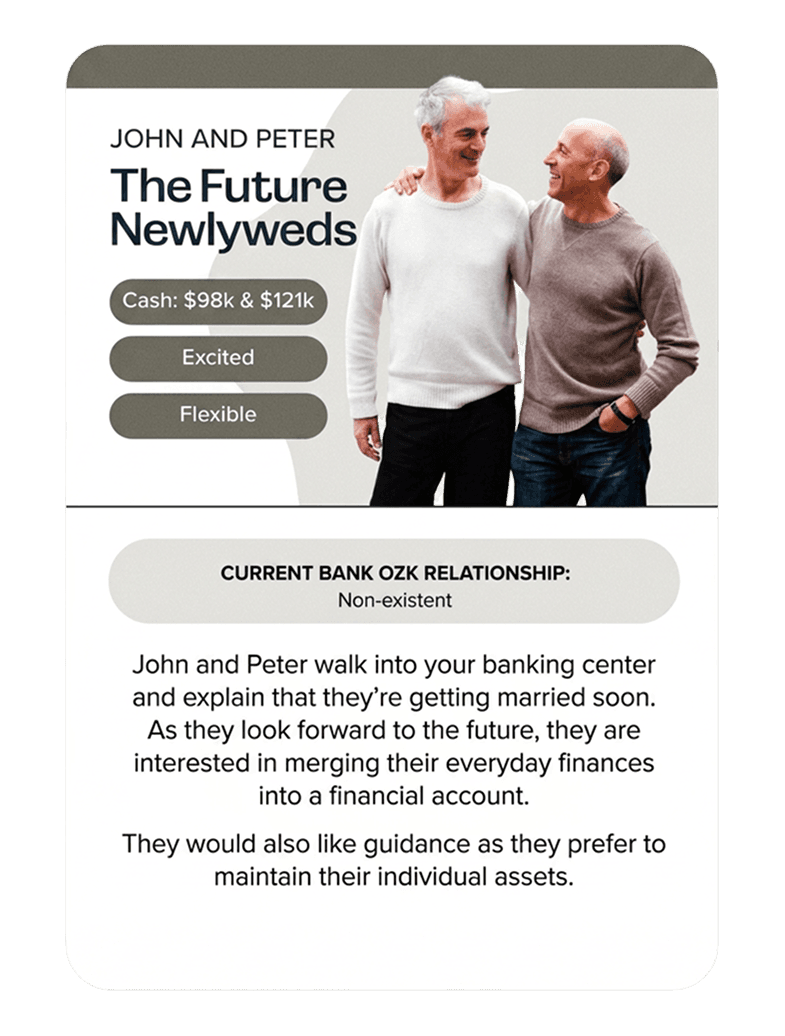
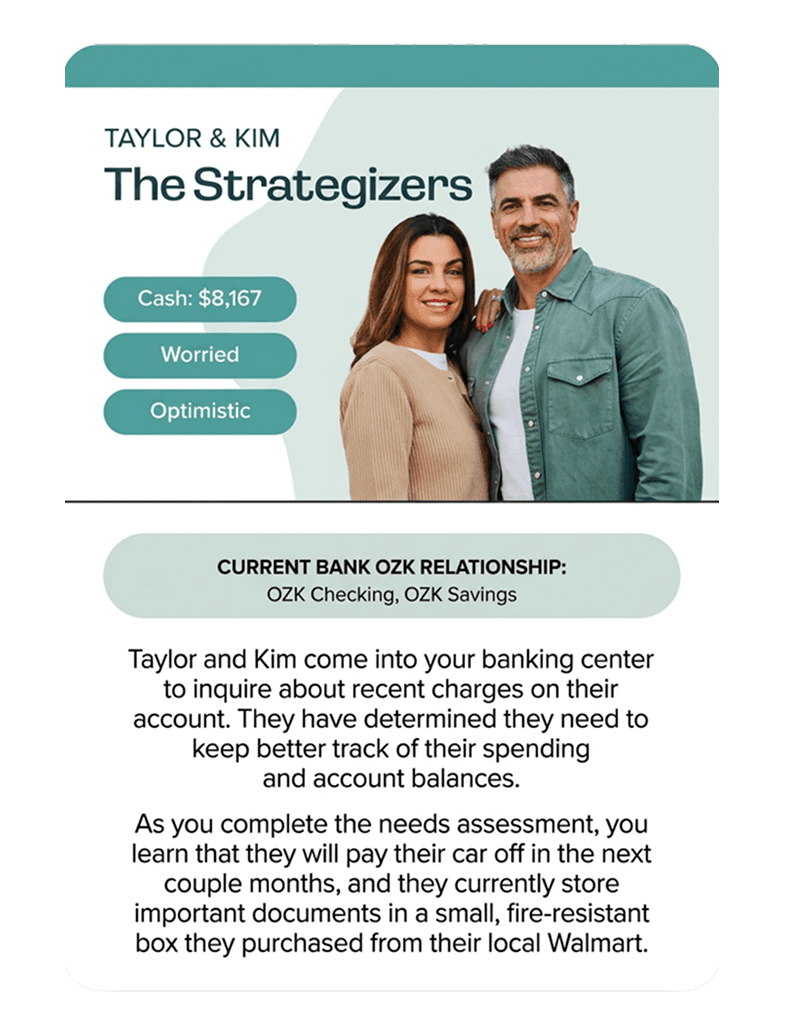
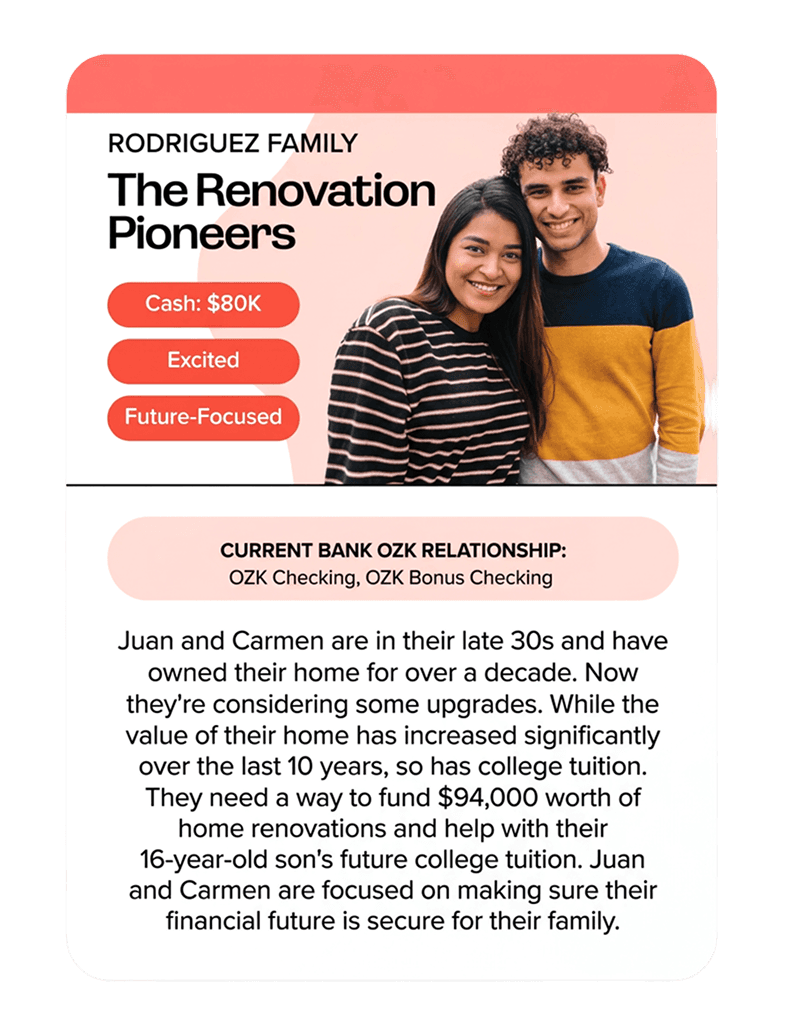
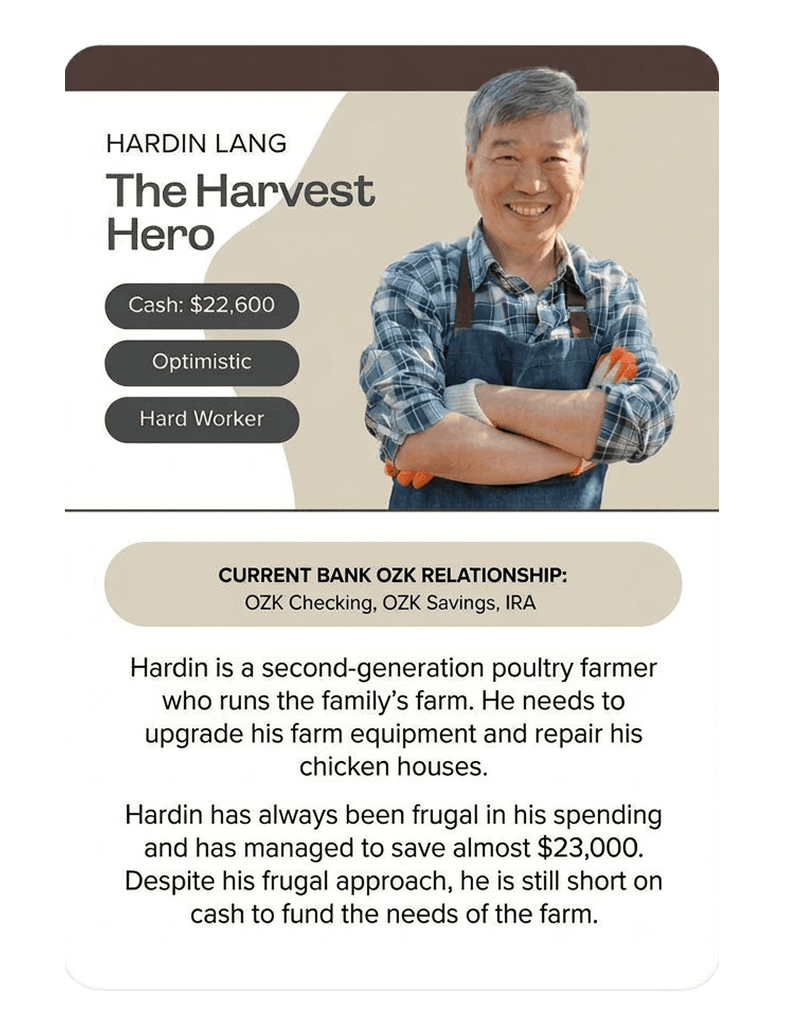
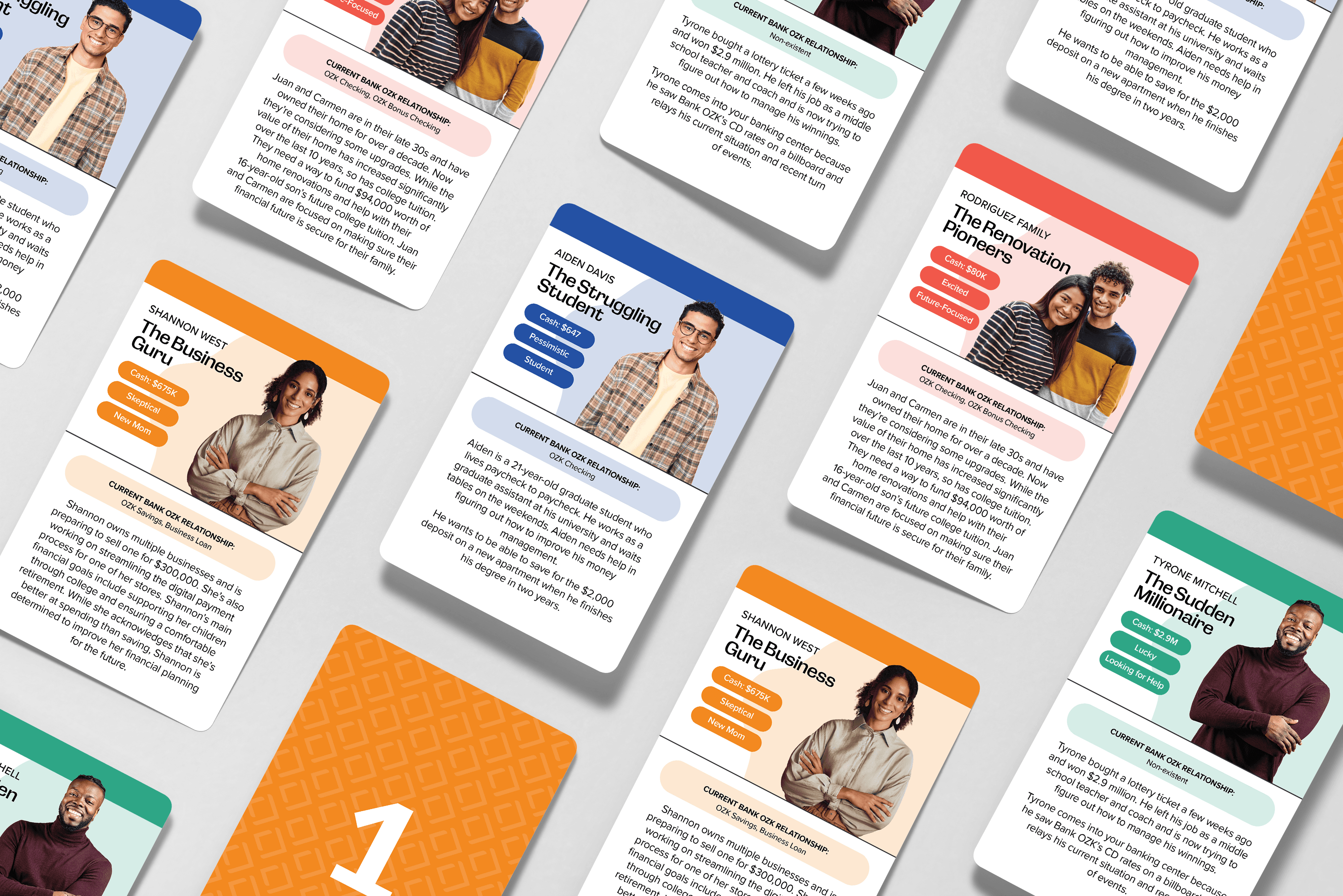
Built around real situations instead of generic profiles.
One of the parts I’m most proud of is the people behind the cards.
The goal wasn’t to create ideal customer scenarios or generic banking examples. We wanted situations that felt familiar. Conversations bankers might recognize from real interactions happening every day.
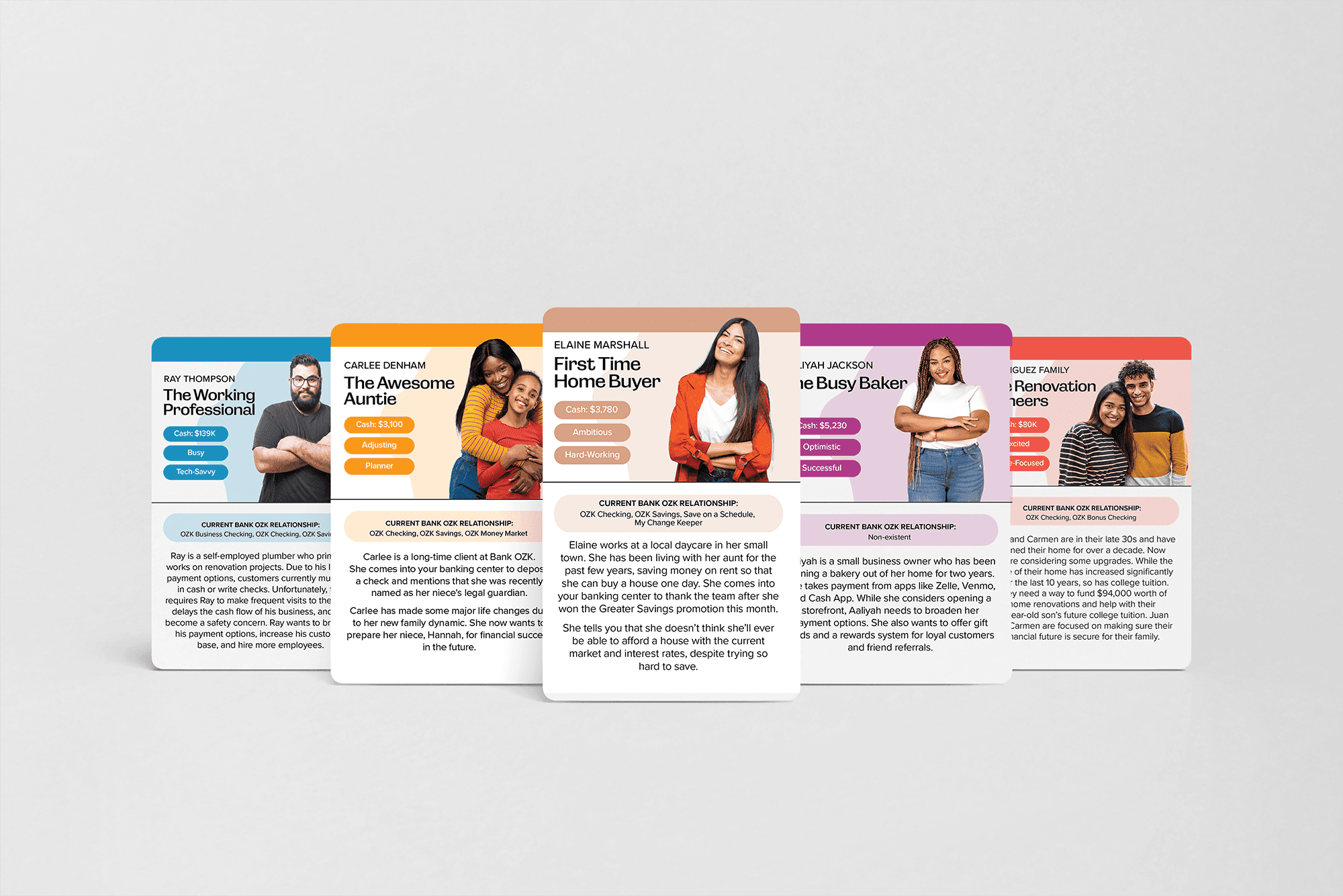
Different ages and financial situations.
Different goals, priorities, and life stages.
People growing businesses, planning retirement, raising families, or starting over.
Refined by watching people interact with it.
Testing became one of the most valuable parts of the process. People approached situations differently than we expected, conversations expanded into examples we hadn’t planned for, and questions surfaced that helped reveal what felt clear, confusing, or worth refining.
Watching people interact with the scenarios helped shape the system beyond the initial design. Small adjustments in content, structure, and clarity often came directly from seeing how people naturally moved through the experience.
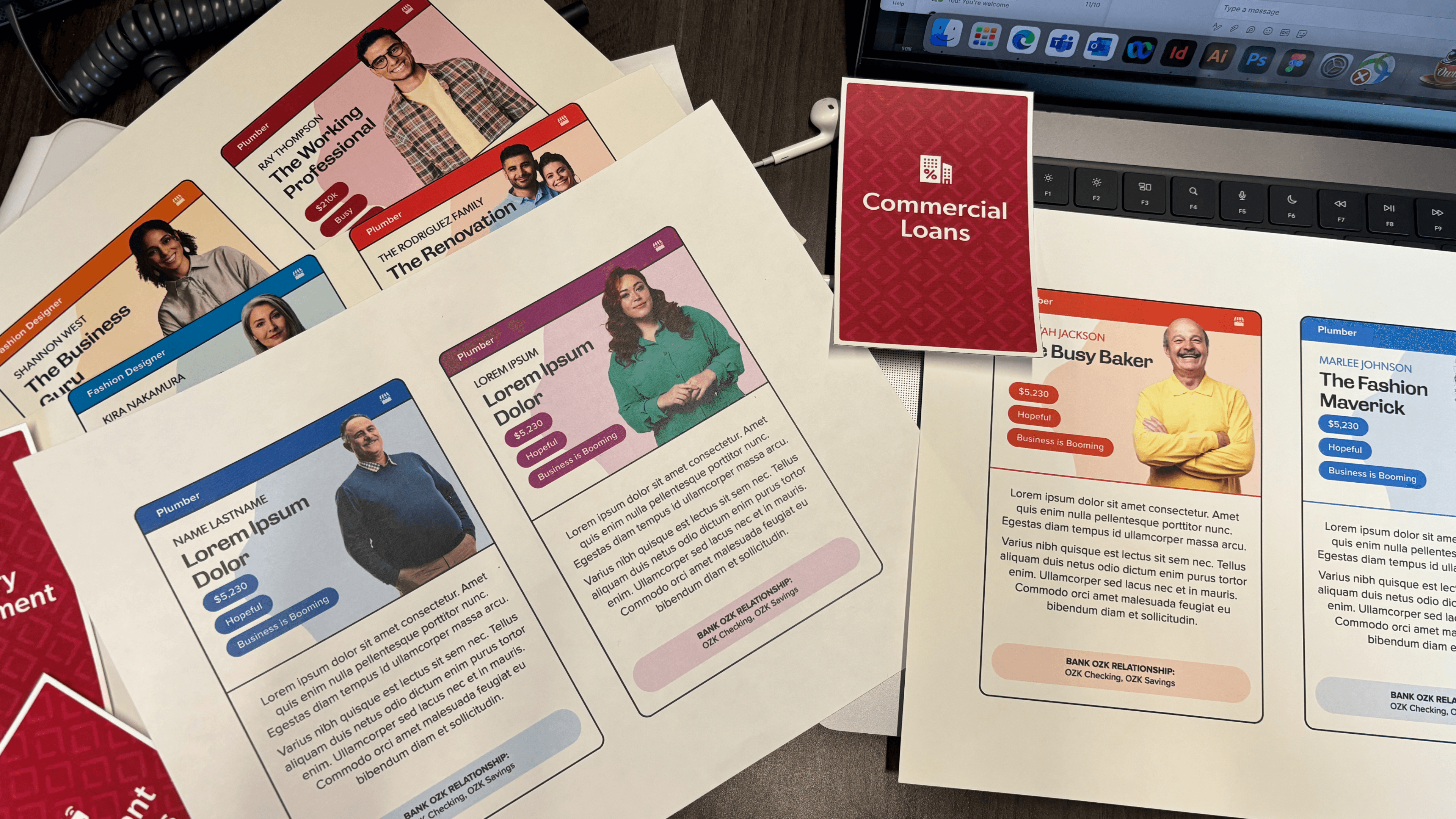
That feedback loop became an important part of making the game stronger.
Designed to invite discussion.
The challenge wasn’t only creating something educational. It needed to feel approachable enough that people would actually engage with it. Each card carried a lot of information, but the experience still needed to feel clear, conversational, and easy to navigate.
Typography helped organize information quickly. Color improved scanning. Photography helped scenarios feel more recognizable and human. As the system expanded through weekly releases, maintaining flexibility and consistency became just as important as the design itself.
People made it memorable.
The game helped strengthen referral behavior across teams, but the best part wasn't the metrics. It was watching people stop treating the cards like training material and start treating them like real situations. They debated decisions, shared stories, and connected the scenarios back to conversations they were already having every day.
More projects
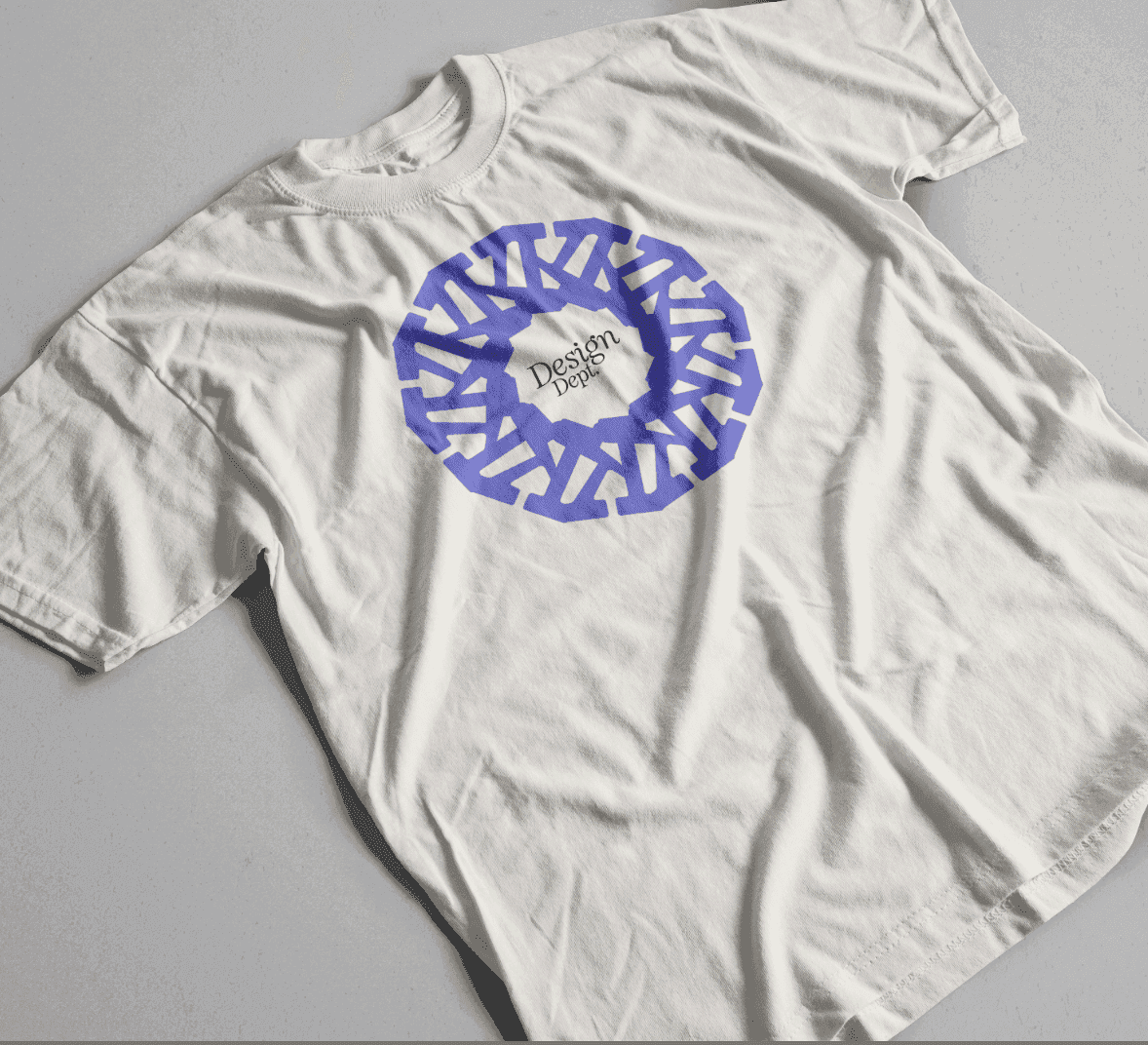
Typhlora™
An experimental typographic system exploring structure, repetition, and how design principles become visual language.
View project →
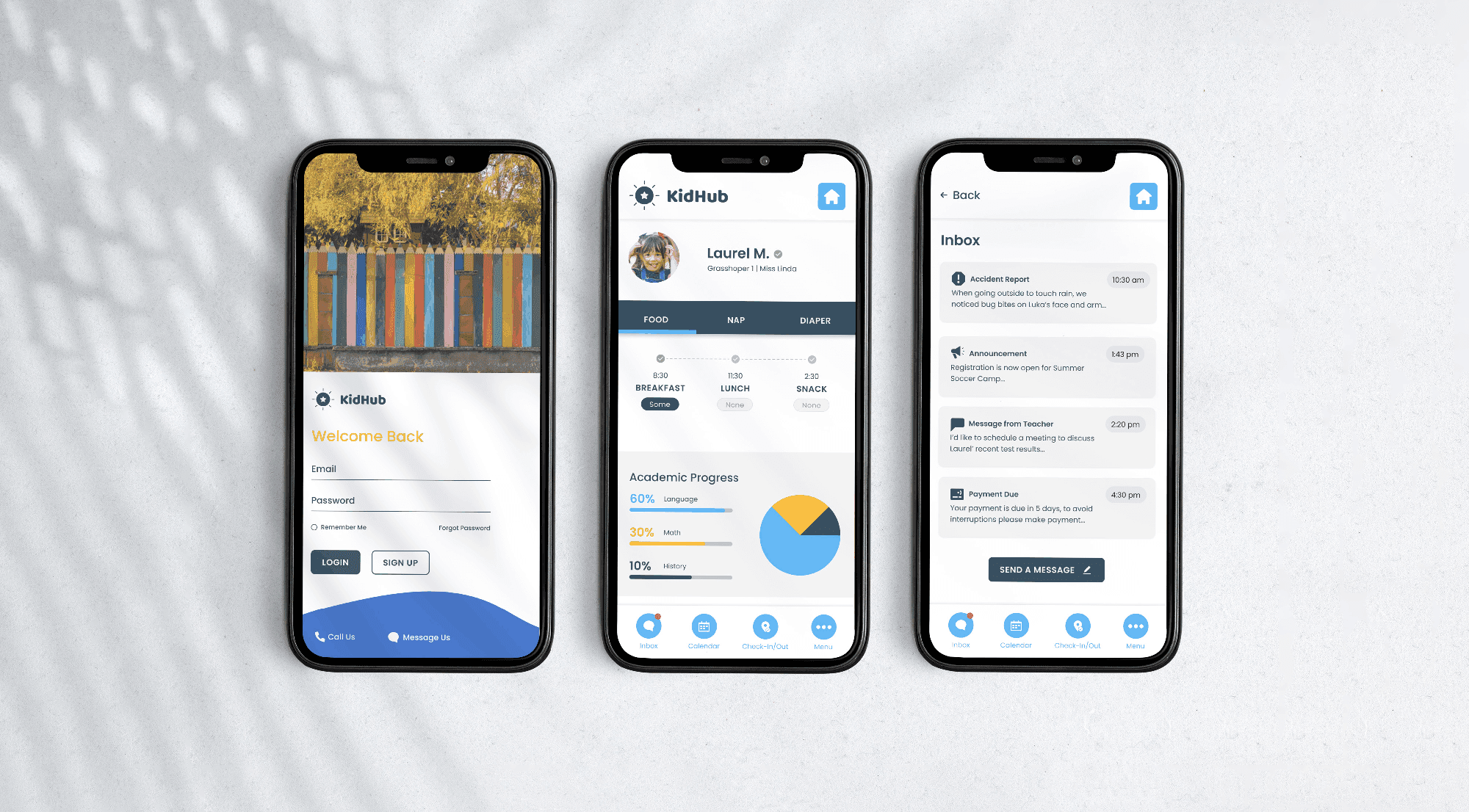
Daycare App
A mobile app concept designed to improve communication between parents and daycare staff.
View project →

SpellBoard
A playful spelling concept exploring interaction design, AI assisted prototyping, and confidence building learning experiences.
View project →